


How to Select the Right Boron-Lead Polyethylene Sheet
When purchasing boron-lead polyethylene sheets or other radiation shielding polyethylene materials, the first step is to identify the radiation types, shielding objectives, and intended operating environment. Proper material selection helps engineering teams develop an appropriate shielding design.
- Identify the radiation type
Neutrons, X-rays, and gamma rays have different physical characteristics. Borated polyethylene is primarily used for neutron moderation and absorption, while lead is commonly used for X-ray and gamma-ray shielding. Material combinations should be selected according to the actual radiation field.
- Confirm the actual material composition
Before purchasing, verify whether the product is borated polyethylene, lead-containing polyethylene, or a composite containing both boron and lead. These formulations should not automatically be treated as equivalent products.
- Determine sheet thickness and dimensions
Sheet thickness and dimensions should be established through professional shielding calculations, equipment design, and installation requirements. Shielding performance cannot be determined from material thickness or product name alone.
- Verify technical documentation and testing requirements
Depending on the project, confirm material composition, density, thickness tolerances, uniformity, and relevant shielding performance test data. For medical, nuclear, or other regulated applications, applicable standards and compliance requirements should also be verified.
- Provide complete project specifications
When requesting a quotation, provide the target radiation type, energy range, required dimensions, thickness, operating environment, order quantity, and relevant engineering requirements. This information supports further assessment by the supplier and radiation protection engineer.
By clearly defining material composition and application requirements, buyers can select radiation shielding materials more accurately and establish a reliable basis for project design, manufacturing, and installation.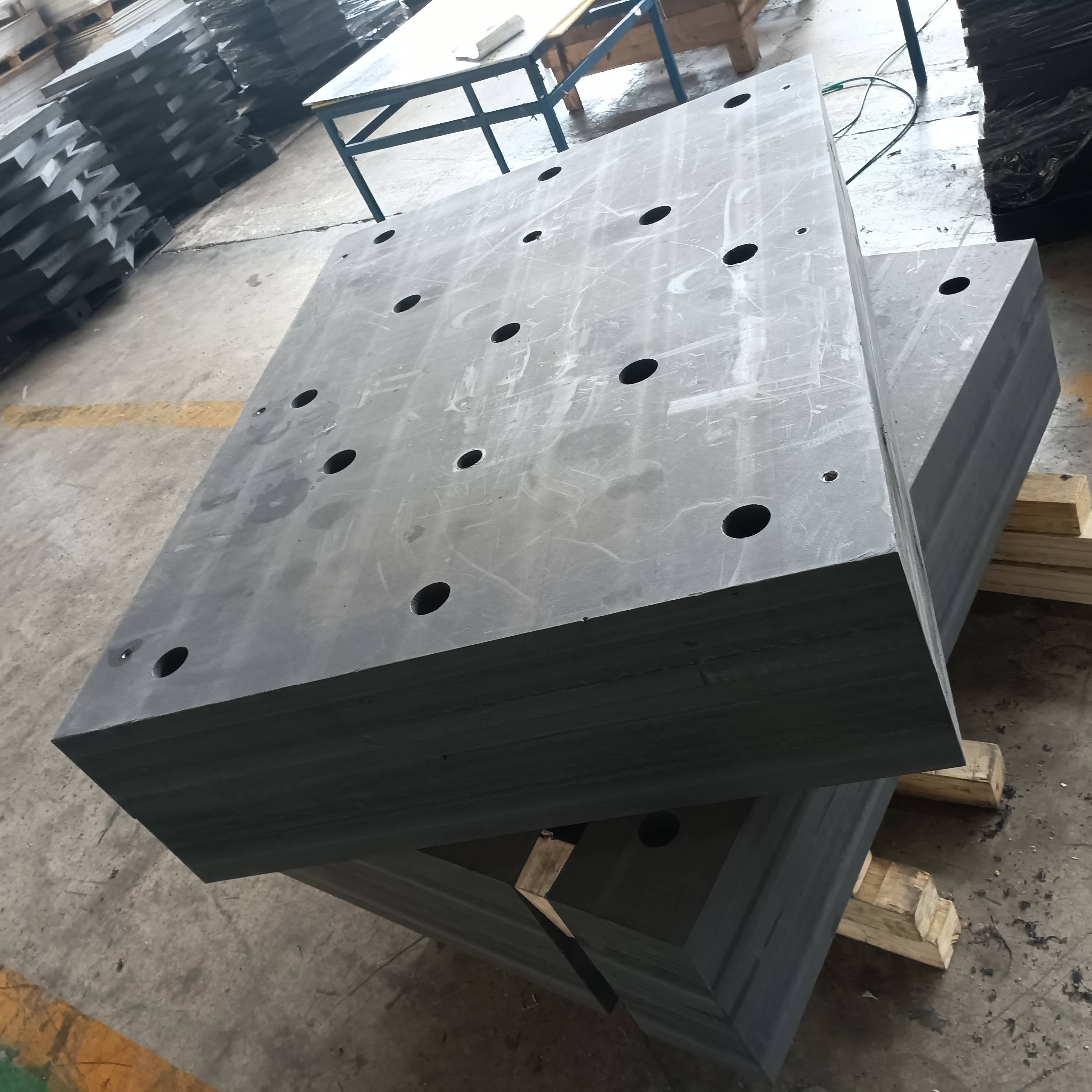
Manufacturing and exporting UHMW-PE sheets, HDPE sheets, marine fender pads, ground protection mats, wear-resistant liners, silo liners, polyethylene rollers, and customized engineering plastic components.