


Designing Polymer Road Mat Layouts for Curved Routes and Restricted Spaces
Temporary access routes are not always straight. Construction sites, industrial facilities, and infrastructure projects may contain tight corners, restricted entry points, existing structures, and areas where vehicles need to change direction.
For these projects, polymer road mat layout planning is just as important as selecting the panels themselves. The arrangement should account for route width, turning space, panel dimensions, connector positions, and the movement of the vehicles using the roadway.
A well-planned layout can help reduce unnecessary panel cutting, simplify installation, and make better use of available materials. Where the system supports modular connections, panels can be arranged to create straight sections, wider work areas, and selected changes in direction.
However, turning vehicles can create additional lateral forces and movement at panel joints. The mat system and its connections must therefore be suitable for the intended traffic, and the supporting ground must be assessed before the route is opened.
By planning the layout around actual site measurements and vehicle movements, project teams can create a more practical temporary roadway that fits the working 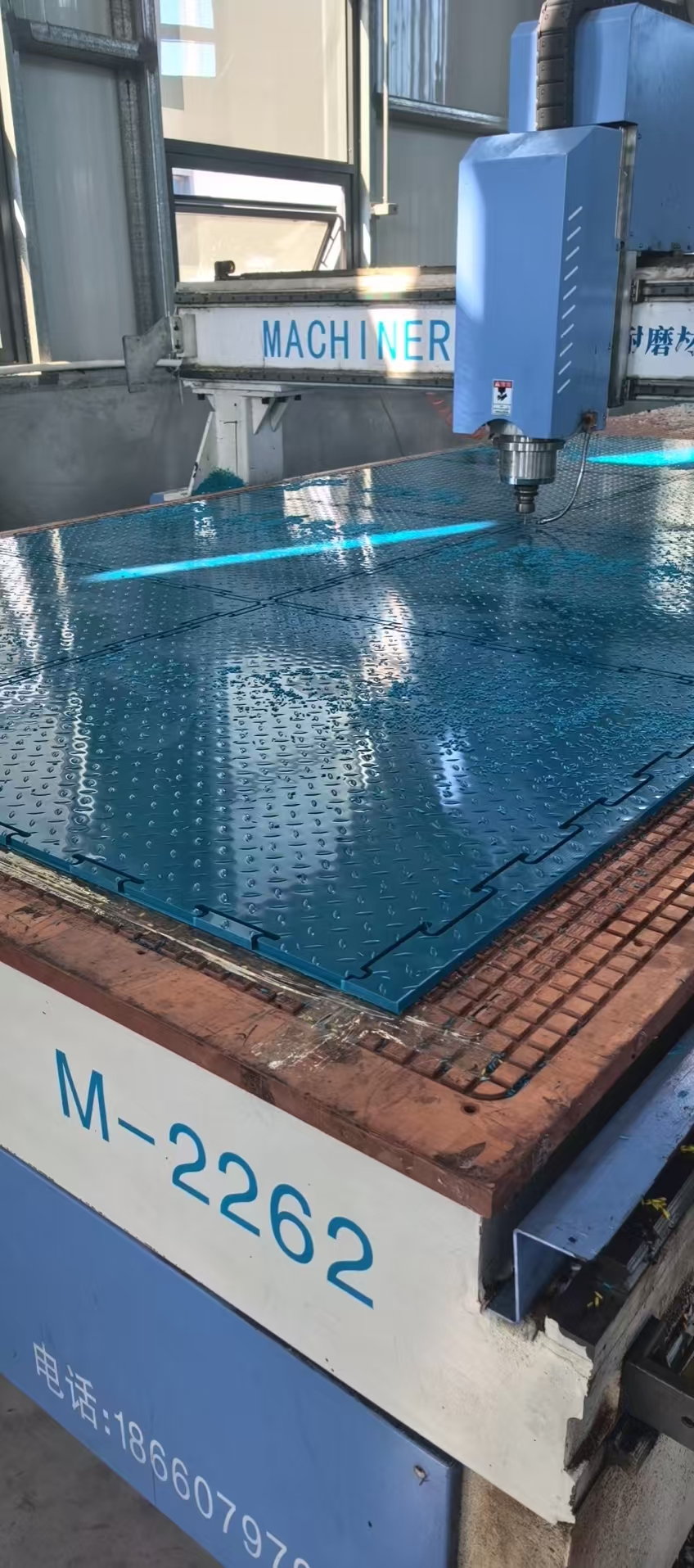
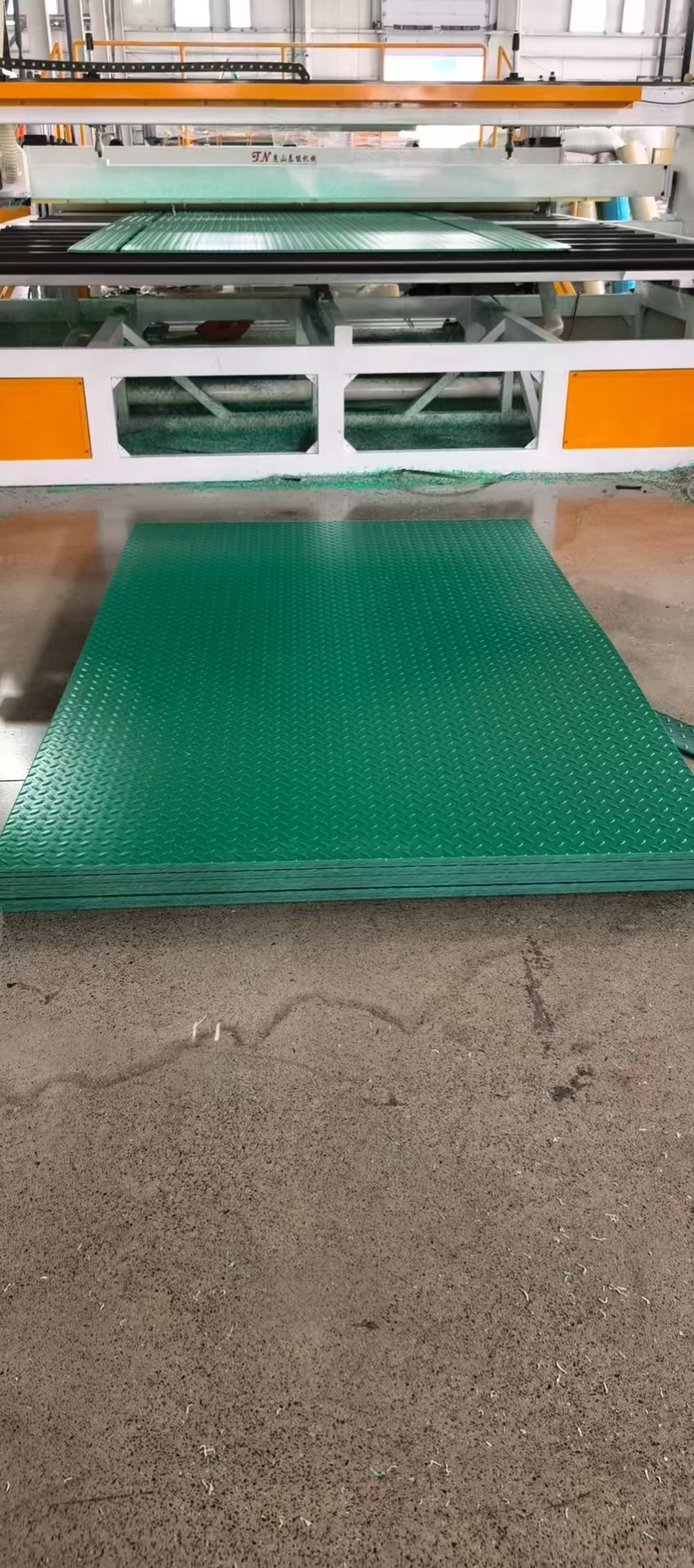
Manufacturing and exporting UHMW-PE sheets, HDPE sheets, marine fender pads, ground protection mats, wear-resistant liners, silo liners, polyethylene rollers, and customized engineering plastic components.