


How to Select the Right Marine Fender System for Different Berthing Conditions
Selecting a suitable marine fender system is an important part of port and waterfront infrastructure planning. Different vessels, berth structures, and operating conditions create different requirements for energy absorption, reaction force, and installation configuration.
One of the first considerations is the type of vessel using the berth. Container ships, bulk carriers, tankers, ferries, and workboats may differ significantly in vessel size, hull geometry, and berthing frequency. The design must also account for the expected berthing energy and the allowable loads on the supporting structure.
Another important factor is the available installation space. Some berths can accommodate larger fender units, while others require compact systems or customized mounting arrangements. Tidal variation, approach angle, vessel movement, and the geometry of the quay should also be considered.
A marine fender system should be selected as a complete engineering solution rather than as an isolated product. Fender performance, panel configuration, anchoring arrangements, and supporting structures all contribute to the overall result.
By evaluating actual operating conditions before procurement, port owners and marine engineers can make more informed decisions and develop a fender solution suited to the berth's long-term requirements.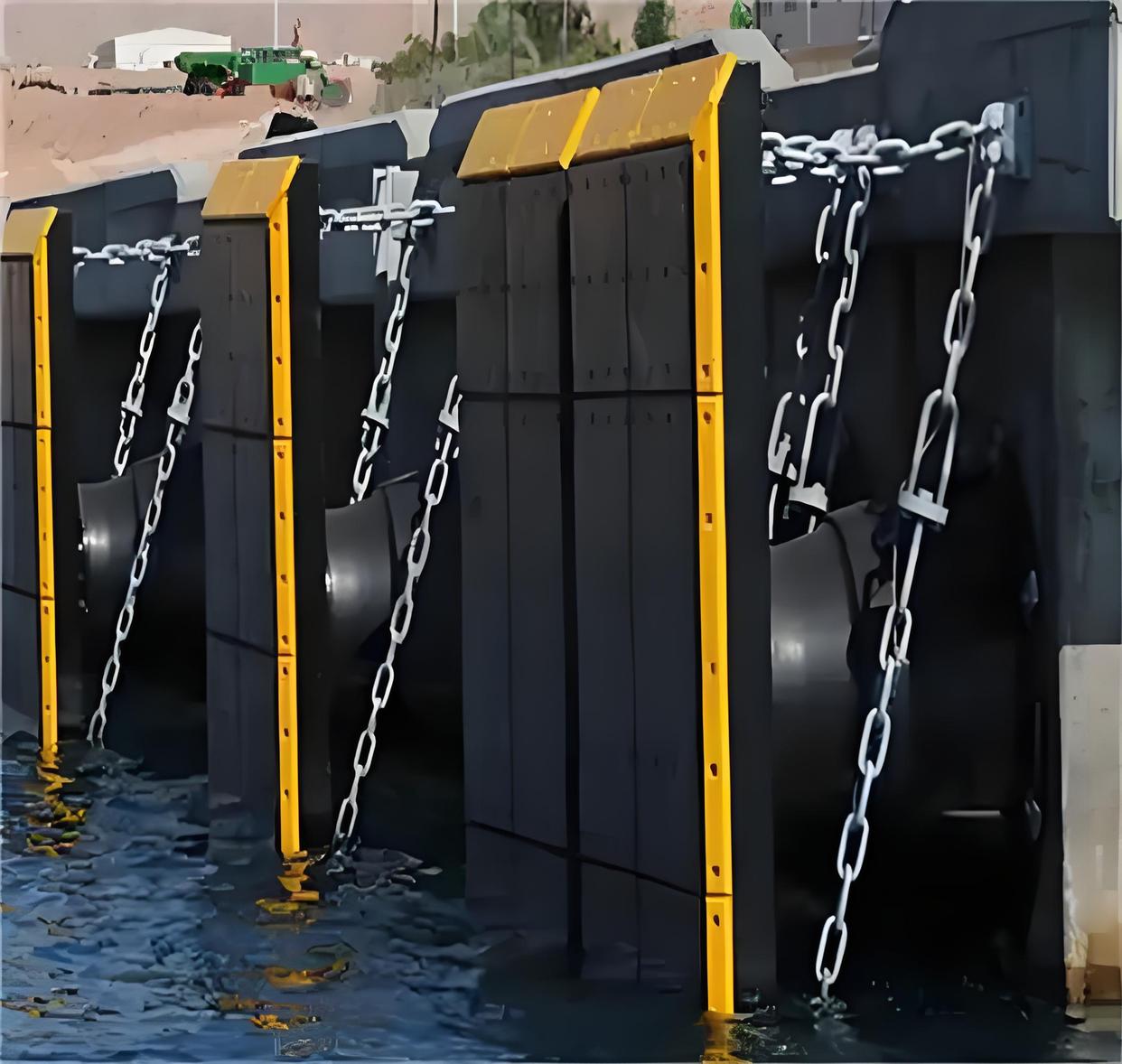
Manufacturing and exporting UHMW-PE sheets, HDPE sheets, marine fender pads, ground protection mats, wear-resistant liners, silo liners, polyethylene rollers, and customized engineering plastic components.