


Understanding Energy Absorption and Reaction Force in Marine Fender Design
Energy absorption and reaction force are two fundamental parameters in marine fender engineering. Understanding their relationship helps engineers select a system that protects both the vessel and the berth structure during berthing operations.
When a vessel approaches a berth, the fender deforms under contact pressure and absorbs part of the berthing energy. At the same time, it generates a reaction force that is transferred to the vessel and the supporting structure. The design objective is to absorb the required energy while keeping the reaction force and structural loads within acceptable limits.
Different fender types provide different performance characteristics. Their behavior depends on the design, material properties, deformation range, loading speed, temperature, and installation conditions. The actual performance must therefore be evaluated using the manufacturer's verified technical data.
Engineers also need to consider factors such as vessel displacement, approach velocity, berthing angle, and the characteristics of the berth. These inputs influence the energy that the fender system must manage.
A properly engineered system balances energy absorption, reaction force, and available deformation space. This balance is essential for reliable berth protection and long-term operational performance.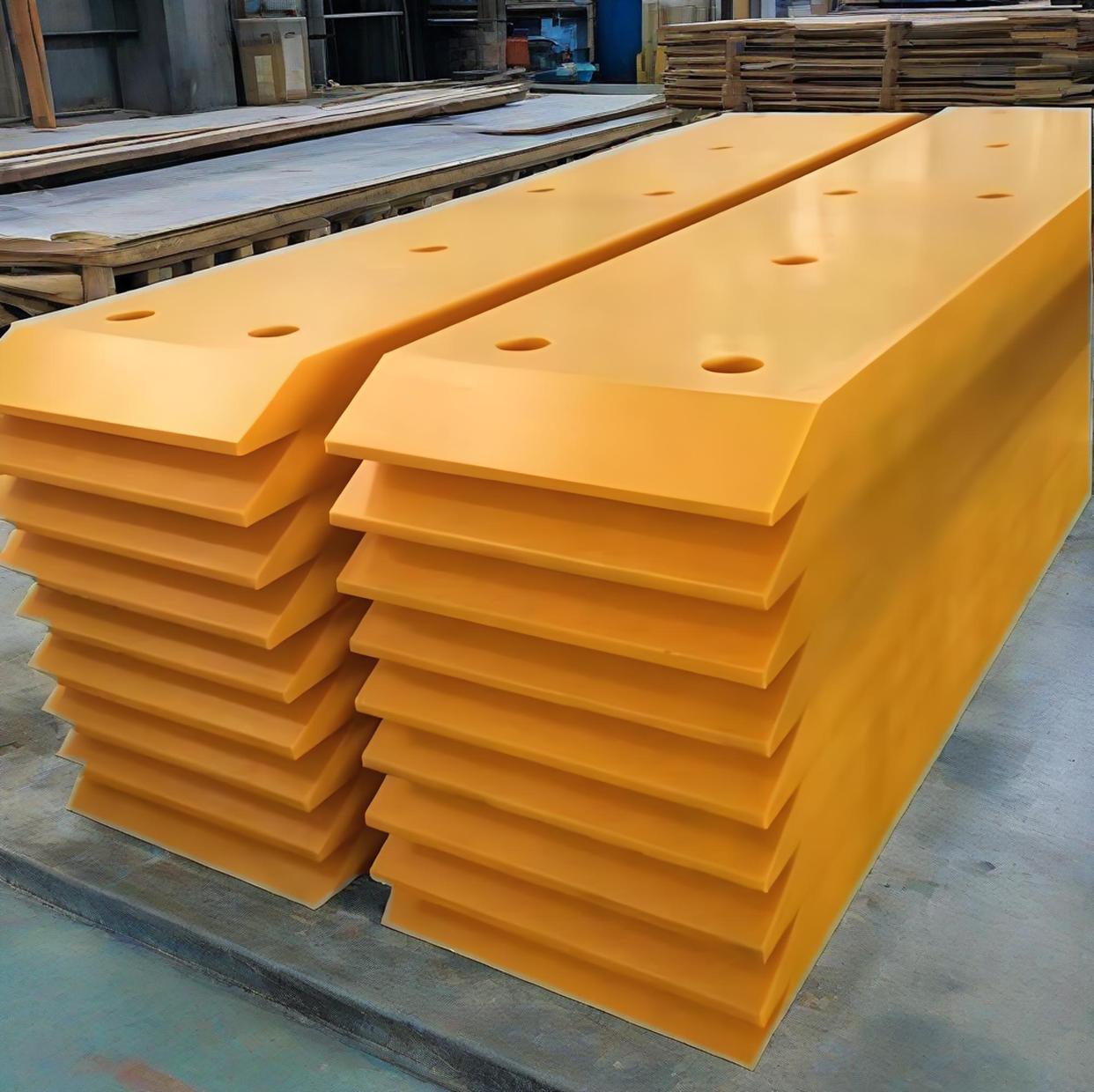
Manufacturing and exporting UHMW-PE sheets, HDPE sheets, marine fender pads, ground protection mats, wear-resistant liners, silo liners, polyethylene rollers, and customized engineering plastic components.