


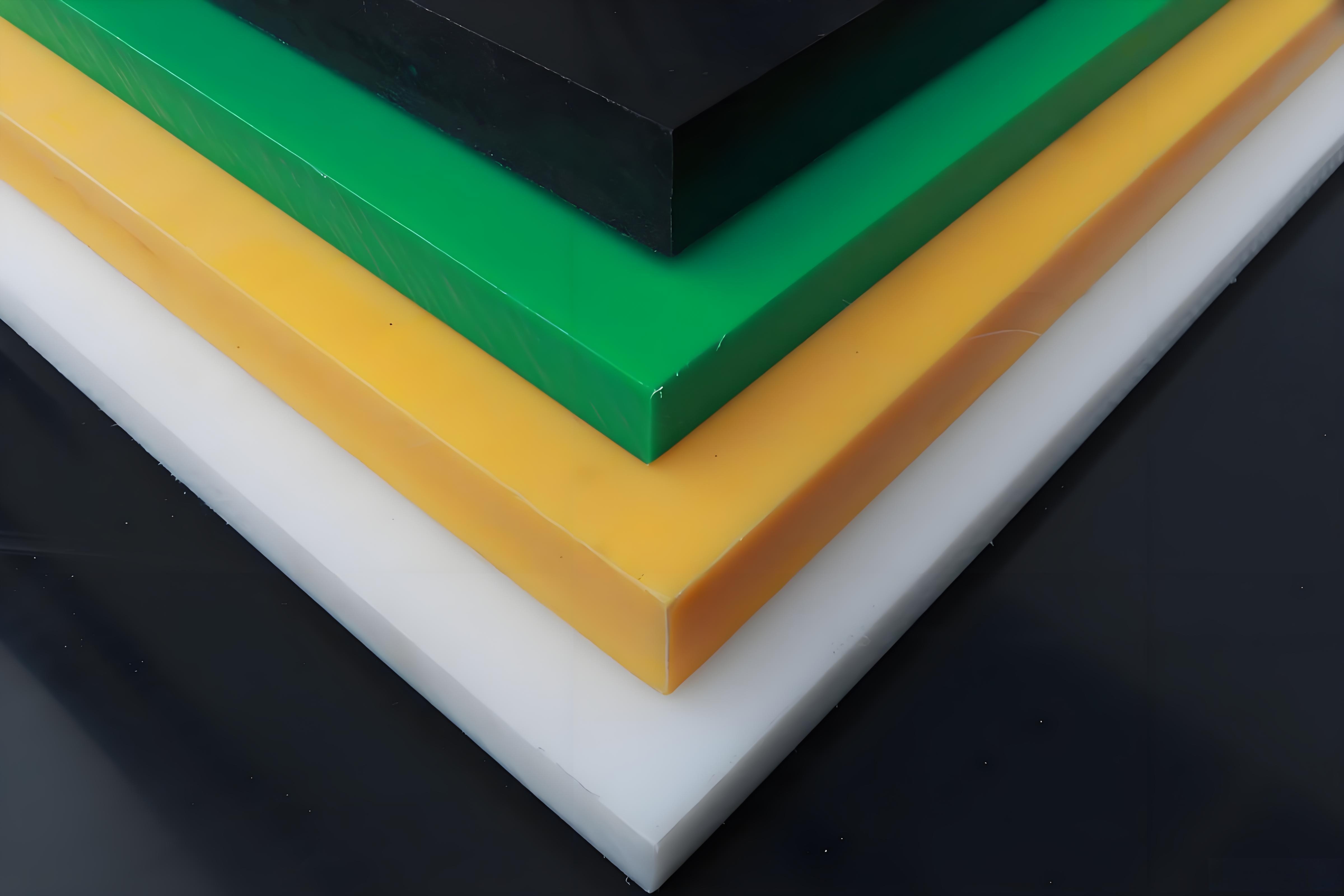
UHMW-PE vs Steel: Which Material Performs Better in Wear Resistance?
UHMW-PE and steel are two of the most commonly compared materials in industrial engineering applications, especially in environments involving heavy wear and continuous material movement.
Steel is known for its high structural strength, rigidity, and load-bearing capacity. It is widely used in construction, machinery frameworks, and structural engineering applications. However, when it comes to wear resistance in abrasive environments, steel often shows limitations such as surface erosion, corrosion, and high maintenance requirements.
UHMW-PE, on the other hand, is specifically engineered for wear resistance and low-friction applications. It performs exceptionally well in environments where materials are constantly sliding, impacting, or flowing across surfaces.
One of the key differences between UHMW-PE and steel is friction behavior. Steel surfaces generate higher friction, which leads to faster wear and higher energy consumption in mechanical systems. UHMW-PE has an extremely low coefficient of friction, allowing materials to move smoothly without causing significant surface damage.
In mining, bulk material handling, and conveyor systems, this difference becomes extremely important. UHMW-PE reduces resistance, improves flow efficiency, and prevents material sticking or buildup. Steel liners often require lubrication or frequent cleaning, while UHMW-PE operates with minimal maintenance.
Another major advantage of UHMW-PE is corrosion resistance. Steel is highly susceptible to rust and corrosion when exposed to moisture, chemicals, or seawater. UHMW-PE does not rust or degrade, making it suitable for marine environments, chemical plants, and outdoor installations.
Weight is also an important factor. UHMW-PE is significantly lighter than steel, which simplifies installation, reduces structural load, and lowers transportation costs.
However, steel still has advantages in structural applications where high rigidity and load-bearing strength are required. UHMW-PE is not a replacement for steel in structural frames but is an excellent alternative in wear protection applications.
In many industries today, UHMW-PE is used alongside steel rather than replacing it. Steel provides structure, while UHMW-PE provides wear protection. This combination delivers optimal performance and cost efficiency.
Overall, UHMW-PE outperforms steel in wear-prone environments, making it the preferred material for liners, sliding surfaces, and industrial protection systems.
Manufacturing and exporting UHMW-PE sheets, HDPE sheets, marine fender pads, ground protection mats, wear-resistant liners, silo liners, polyethylene rollers, and customized engineering plastic components.